Eyelid Surgery for Sagging Eye Skin in Korea
Eyelid Surgery for Sagging Eye Skin in Korea: Options, Recovery, and What to Expect
Sagging eyelid skin is a common concern caused by aging, genetics, or weakened eyelid muscles. In Korea, eyelid surgery for sagging eyes focuses on restoring openness and youthfulness without overcorrecting, making results look natural rather than surgical.
This guide explains which procedures are used in Korea, who they’re best for, and how recovery works, especially for international patients.
What Causes Sagging Eyelid Skin?
Sagging around the eyes can develop due to:
- Loss of skin elasticity with age
- Weakened eyelid muscles (ptosis)
- Excess upper eyelid skin weighing the eyes down
- Fat protrusion or hollowing in the lower eyelids
In many cases, sagging is both cosmetic and functional, affecting vision and eye fatigue.
Common Eyelid Surgery Options in Korea
Upper Blepharoplasty (Upper Eyelid Surgery)
Best for excess skin drooping over the upper eyelids.
Typical benefits:
- Removes loose, sagging skin
- Creates a cleaner eyelid contour
- Can be done with or without creating a double eyelid
This is one of the most common eye surgeries for patients in their 30s–60s.
Ptosis Correction (눈매교정)
Used when sagging is caused by weak eyelid-opening muscles.
Key points:
- Improves eye opening and alertness
- Often combined with double eyelid surgery
- Can significantly reduce a tired or sleepy appearance
Ptosis correction is essential when sagging is muscle-related, not just skin-related.
Lower Blepharoplasty (Lower Eyelid Surgery)
Targets sagging or puffiness under the eyes.
Common goals:
- Remove or reposition under-eye fat
- Smooth loose lower eyelid skin
- Improve eye bags and wrinkles
Korean surgeons often prefer fat repositioning over removal to avoid hollowing.
Non-Surgical Options (Limited Cases)
For mild sagging only:
- RF skin tightening
- HIFU around the eyes
- Laser tightening
These are not substitutes for surgery when excess skin or muscle weakness is present.
Who Is a Good Candidate?
You may be a good candidate if:
- Upper eyelid skin droops and makes eyes look smaller
- You feel eye heaviness or visual obstruction
- Makeup smudges due to excess skin
- Eyes look tired even when rested
A proper consultation determines whether skin removal, muscle correction, or both are needed.
Korean Surgical Philosophy for Sagging Eyelids
Korean surgeons typically aim for:
- Conservative skin removal
- Natural eyelid folds that match age and face shape
- Avoiding overly high creases
- Preserving eyelid closure and function
The priority is function + natural aesthetics, not dramatic change.
Recovery Timeline (General)
- Days 1–3: Swelling and mild bruising
- Days 5–7: Stitch removal (if applicable)
- 2–3 weeks: Most swelling subsides
- 1–3 months: Eyelids look more natural
- 6 months: Final result stabilizes
Most patients return to daily activities within 7–10 days.
Risks & Safety Considerations
Potential risks include:
- Temporary dryness or tightness
- Asymmetry during early healing
- Over-removal of skin (rare with experienced surgeons)
Choosing a surgeon experienced in aging eyelid anatomy is critical.
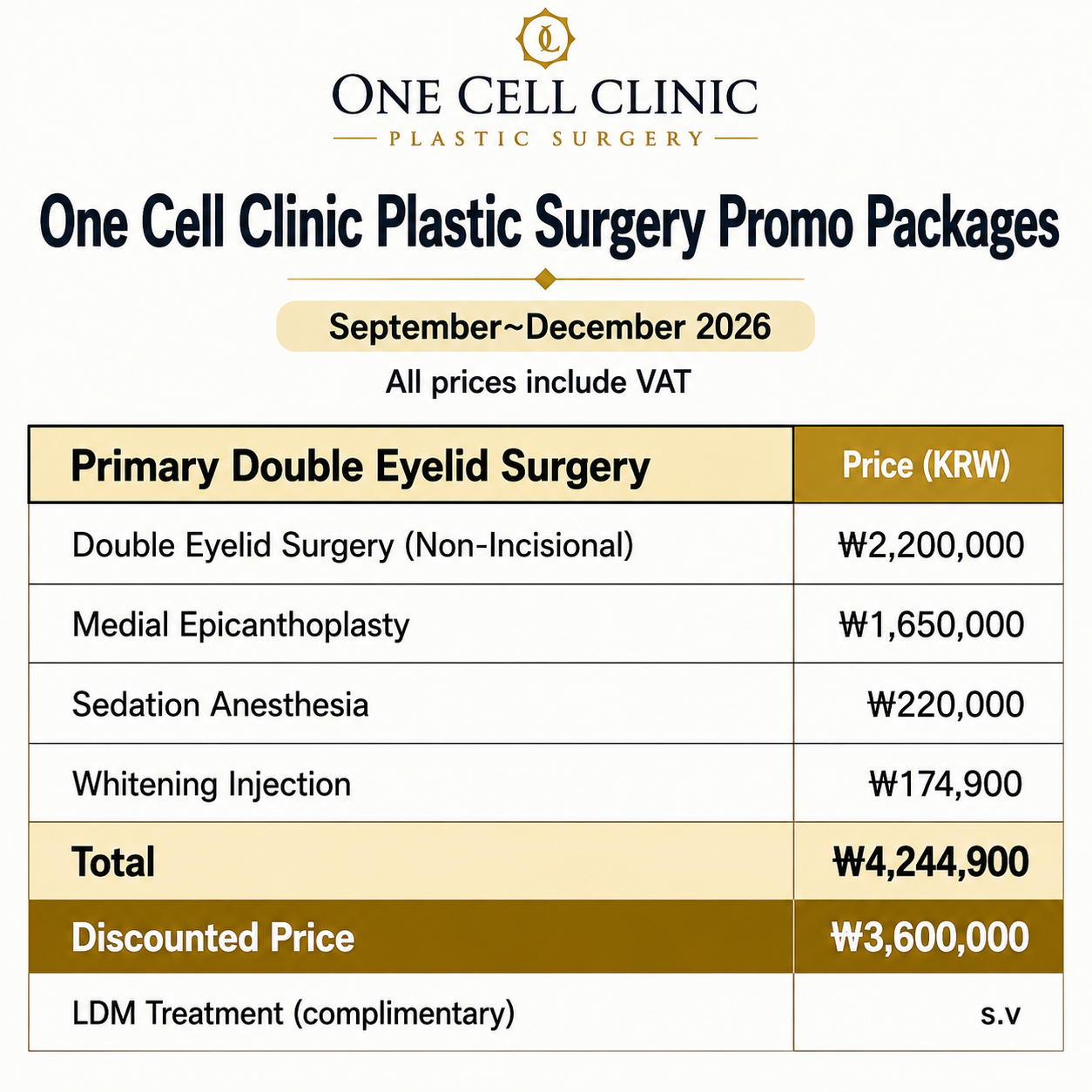
Cost Expectations in Korea
Pricing depends on:
- Upper vs lower eyelid surgery
- Whether ptosis correction is included
- Surgical method and complexity
- Surgeon experience
Exact costs are determined after in-person or photo consultation.
Is Korea a Good Choice for Sagging Eyelid Surgery?
Yes. Korea is especially known for:
- Natural anti-aging eye surgery
- Advanced ptosis correction techniques
- High volume of middle-aged and revision cases
Many international patients choose Korea for subtle rejuvenation rather than dramatic alteration.