Double Eyelid Surgery with Rhinoplasty in Korea: A Combined Surgery Guide
Double Eyelid Surgery with Rhinoplasty in Korea: A Combined Surgery Guide
Combining double eyelid surgery and rhinoplasty in Korea is a popular option for patients seeking balanced, natural-looking facial enhancement in a single treatment plan. Korean surgeons are well known for designing the eyes and nose together, rather than as isolated procedures, which helps achieve harmonious results.
This guide explains how the combined approach works, who it’s best for, and what to expect.
Why Combine Double Eyelid Surgery and Rhinoplasty?
The eyes and nose sit at the center of the face. Adjusting one without considering the other can disrupt facial balance.
Benefits of combining the two include:
- Improved overall facial harmony
- One anesthesia and recovery period
- Coordinated design of eye size, crease height, and nose projection
- More natural, proportional results
In Korea, surgeons often assess eye openness, nasal bridge height, tip projection, and facial proportions together during consultation.
Common Surgery Combinations
Popular paired procedures include:
- Non-incisional or incisional double eyelid surgery + low bridge rhinoplasty
- Double eyelid surgery with ptosis correction + nose tip refinement
- Natural double eyelid surgery + cartilage-based rhinoplasty
- Revision double eyelid surgery + revision rhinoplasty (for experienced surgeons only)
The approach is usually conservative, prioritizing subtle refinement over dramatic change.
Who Is a Good Candidate?
This combined surgery is often suitable for patients who:
- Have monolids or low eyelid creases and a flat nasal bridge
- Want balanced facial improvement rather than one standout feature
- Are traveling to Korea and want to minimize downtime
- Prefer a single recovery period instead of two separate surgeries
A full medical evaluation is required to confirm suitability for combined procedures.
Surgery Design Philosophy in Korea
Korean surgeons typically aim for:
- Natural eyelid creases that match eye shape and brow position
- A nose bridge that does not overpower the eyes
- Soft nose tip definition instead of sharp projection
- Facial balance from front and side profiles
This is especially important for international patients who want results that look refined, not “overdone.”
Recovery Timeline (General)
While recovery varies, a typical timeline looks like:
- Days 1–3: Swelling and mild bruising around eyes and nose
- Days 5–7: Stitch removal (if applicable)
- 2–3 weeks: Major swelling subsides
- 1–3 months: Features begin to look more natural
- 6 months+: Final results settle
Most patients can resume light activities within 7–10 days.
Safety Considerations
Because this is a combined facial surgery:
- Surgeon experience is critical
- Over-aggressive design should be avoided
- Conservative planning reduces long-term revision risk
Reputable Korean clinics limit how much is done in one session to maintain safety.
Cost Expectations in Korea
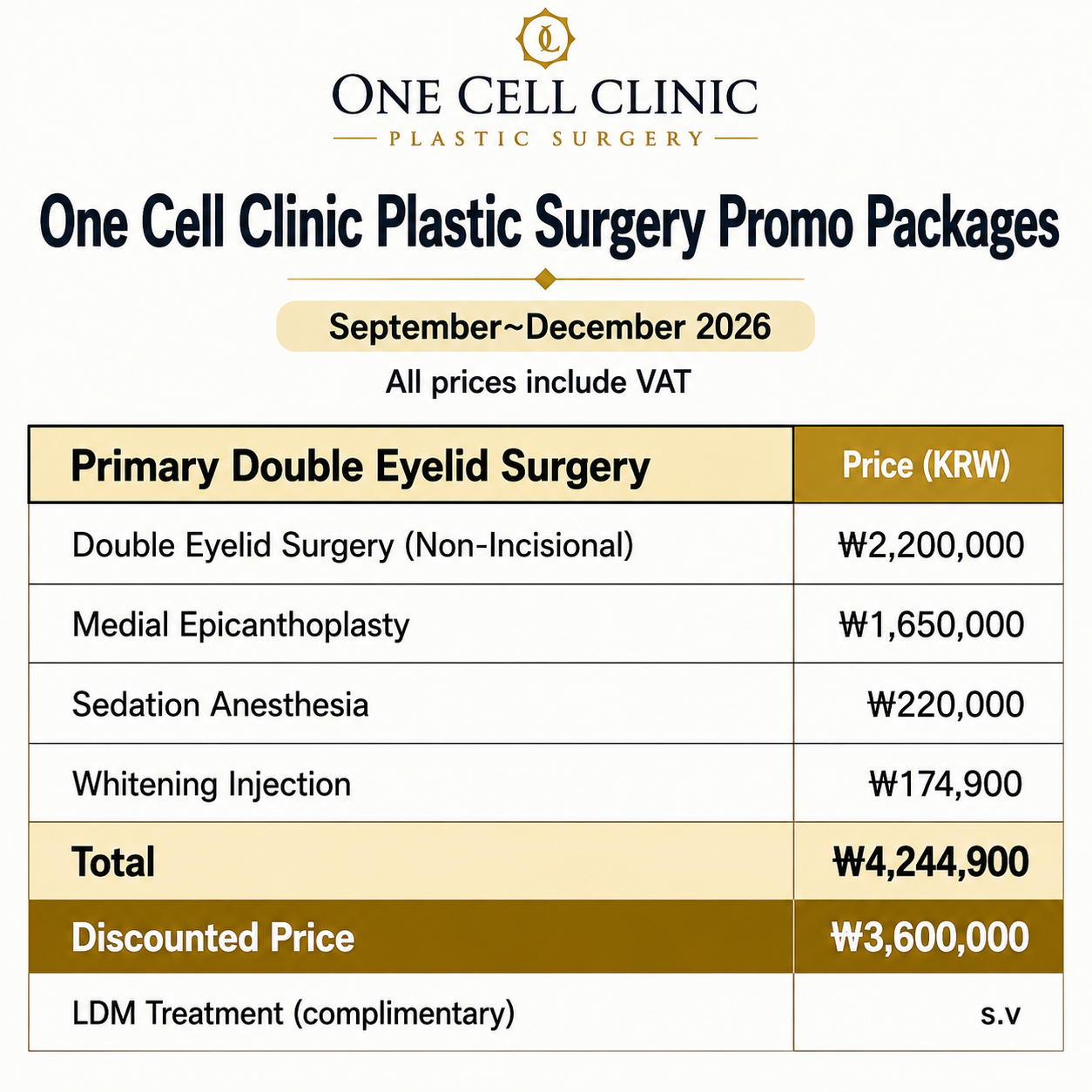
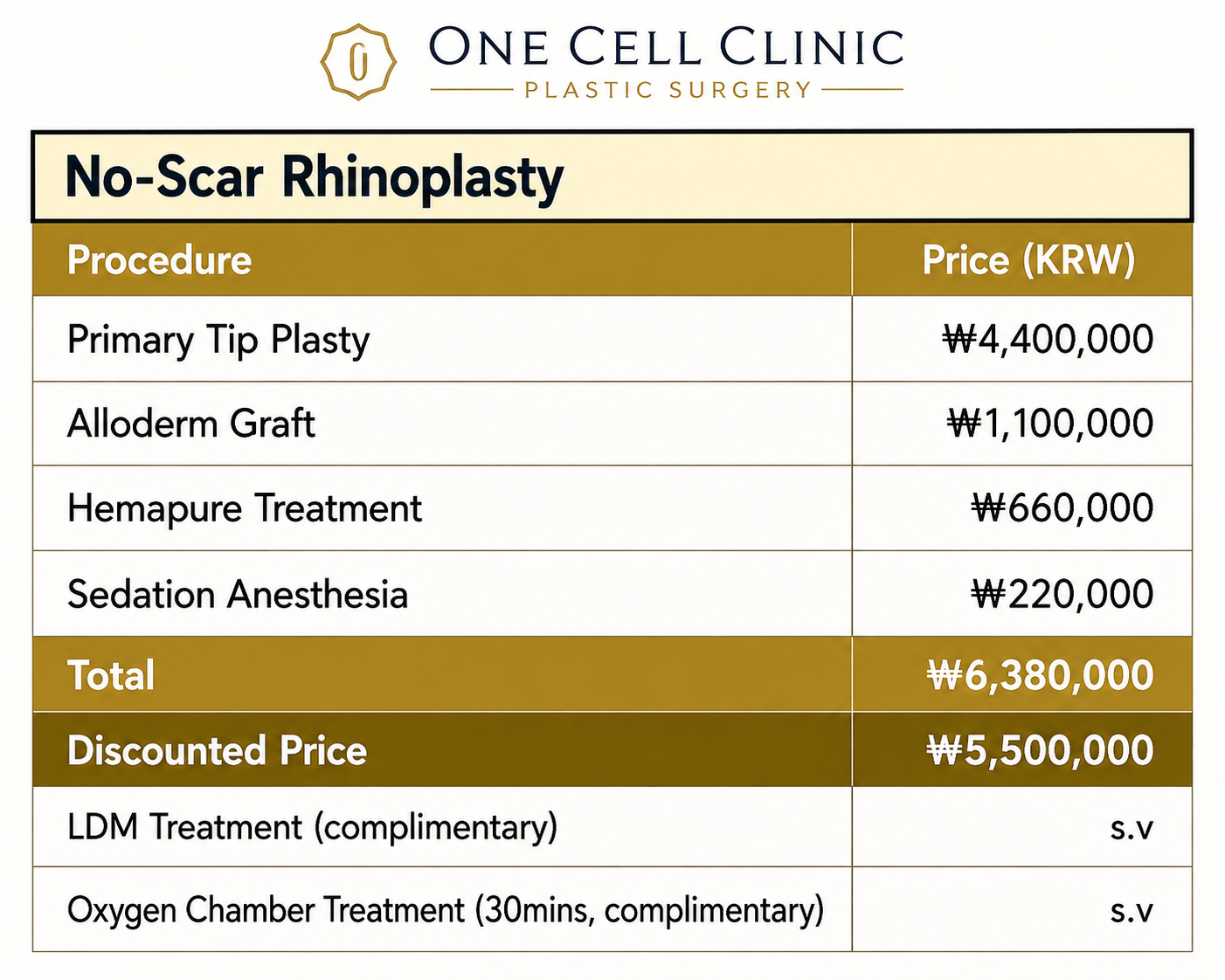
Combined surgery is often more cost-effective than doing each procedure separately, but pricing depends on:
- Surgical method (incisional vs non-incisional eyelids)
- Materials used in rhinoplasty (implant vs cartilage)
- Whether revision surgery is involved
- Surgeon expertise and clinic location
Exact costs are determined after consultation.
Is Combined Eye & Nose Surgery Right for You?
This option is ideal for patients seeking overall facial balance, not extreme transformation. Korea’s strength lies in customized, natural-looking design, especially when multiple facial features are planned together.